
Renamed file
Renaming alone does not change the content digest. Keep both names and check the selected object.
In-depth practical guides
Check whether files retain the same bytes and generate a local integrity record without sending documents to this site.
Updated :
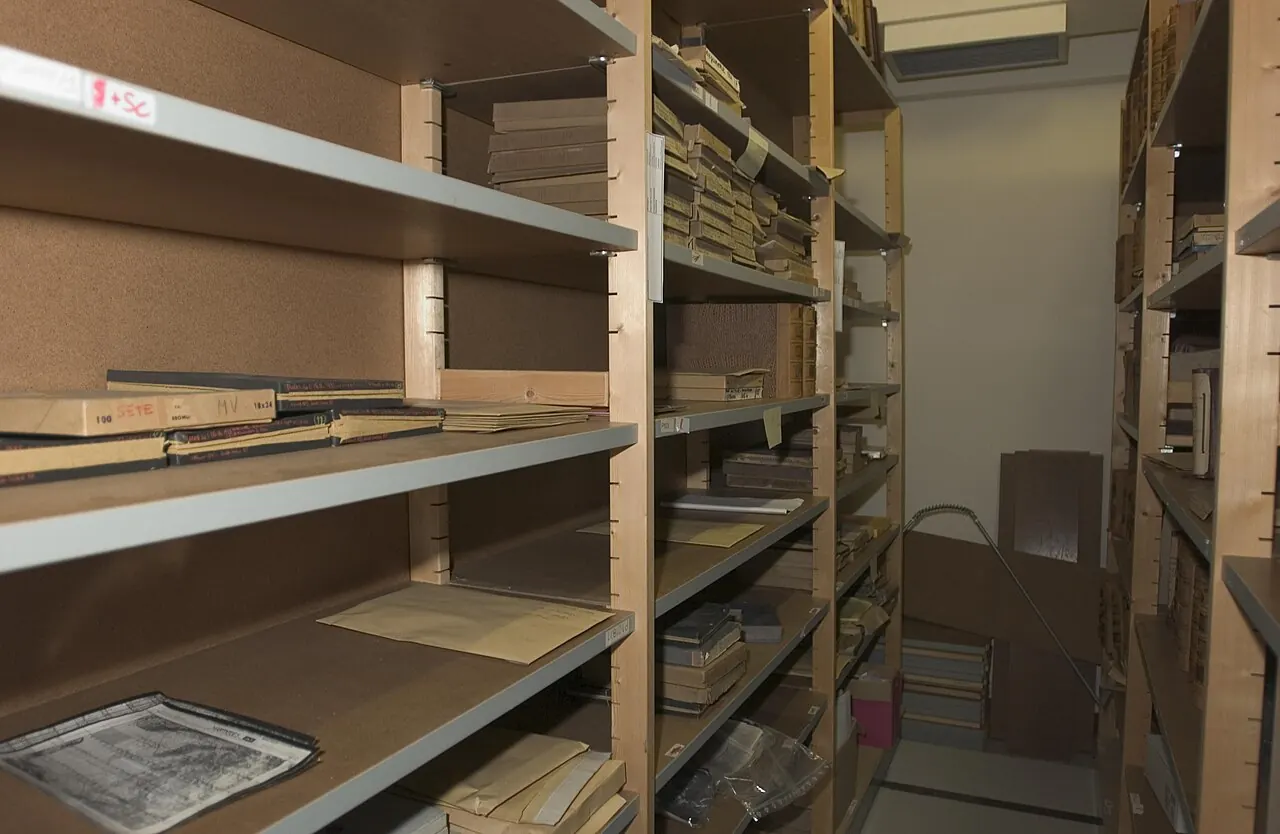
Shelves in Ifremer photographic archives, photographed by Stephane Lesbats. Documentary context photograph; it does not depict an Alexis Roux ZG assignment or equipment. © Stephane Lesbats / Ifremer · Source · CC BY 4.0. Resized and converted to WebP; cropped display.
Matching names, sizes or appearance are insufficient. SHA-256 is computed from file bytes and helps identify a record or detect change. It proves neither author, creation time nor factual truth. The tool reads only files selected in your browser.
Use the preserved original. Printing to PDF, exporting or recompressing an image can preserve meaning while changing bytes. Compare equivalent objects.
Use a digest from an identified source or calculate the first file’s digest. Agreement between a document and a digest from the same unverified sender does not establish trustworthy provenance.
The tool accepts up to 64 MiB per file, an expected digest and an optional second file. Calculation requires JavaScript and Web Crypto in a secure context, with no upload.
Export JSON with algorithm, names, sizes, digests and calculation time. Link it to collection URL, author and date. File names and local modification times are reported metadata.
Different digests mean different bytes. Investigate transformation, version or mistaken selection rather than assuming forgery. Use a local tool such as Get-FileHash with SHA256 for larger files.
SHA-256 calculation in your browser, without upload. Maximum: 64 MiB per file. Time and metadata come from your device, without certification.
Typical situations for preparing a check. They do not describe completed assignments or actual observations.
Renaming alone does not change the content digest. Keep both names and check the selected object.
Pagination or metadata may change on export. Digests can differ while the quoted passage appears unchanged; compare text and version.
Agreement checks consistency between digest and file. Sender identity and document origin need separate checks.
No. Calculation reads locally. The JSON record downloads to your device on request.
No. It concerns compared bytes. Author, context and content need separate verification.
This Web Crypto calculation uses an in-memory buffer. The 64 MiB limit avoids loading large files; use a local tool for larger objects.