
Compare result types
Espacenet and PATENTSCOPE help discover publications. After European grant, distinguish unitary effect tracked by the EPO and national parts. For a design, open the complete representation, including video or 3D when present.
Choose a source family
Locate a publication and then verify territory, procedure and title status in the relevant registry.
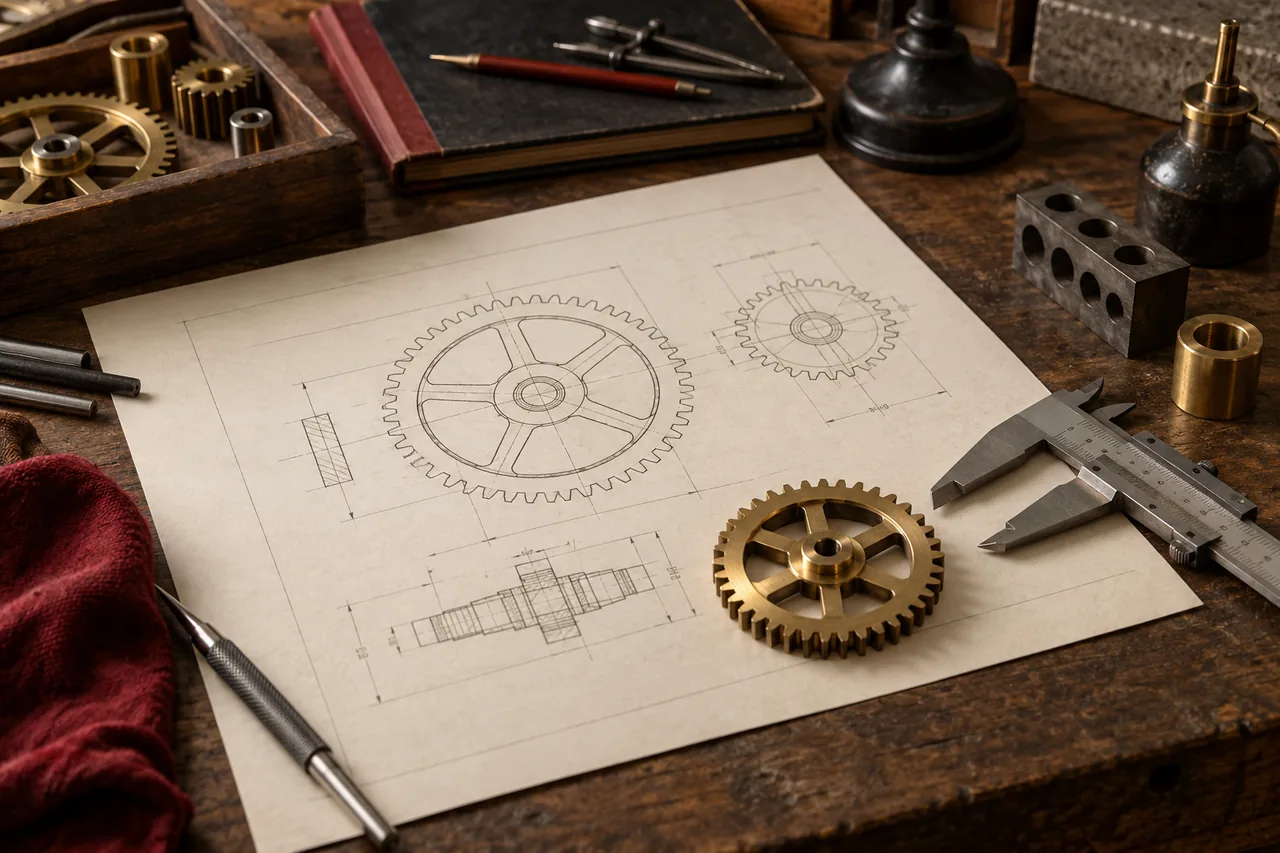
AI-generated illustration
Define title type and territories. Retain application number, publication number, owner or applicant and relevant classes. For a patent, distinguish family, claims and status; a family groups documents without making their rights identical.
Espacenet and PATENTSCOPE help discover publications. After European grant, distinguish unitary effect tracked by the EPO and national parts. For a design, open the complete representation, including video or 3D when present.
A patent is visible in search but appears abandoned. Open the registry, check events and territory, and date the observation. An older publication can remain accessible after rights change.
| Source | Result unit | Time reference to retain |
|---|---|---|
| WIPO Global Brand Database | Trademark: application, territory and goods/services classes | Access date and displayed update date; current state does not reconstruct all history. |
| Espacenet | Patent document, application or family: distinguish objects | Access date and displayed update date; current state does not reconstruct all history. |
| EUIPO · TMview | Trademark: application, territory and goods/services classes | Access date and displayed update date; current state does not reconstruct all history. |
| European Patent Register · EPO | Procedure file and events of a European application | Event date, publication date and corrections. |
| WIPO · PATENTSCOPE | Patent document, application or family: distinguish objects | Access date and displayed update date; current state does not reconstruct all history. |
| EUIPO · DesignView | Design: registration and territory | Access date and displayed update date; current state does not reconstruct all history. |
Each question links comparable sources to a record to retain and a method. Services have different scope; open their profiles before drawing conclusions.
Create separate objects with office, number and territory. Link the record to declared holder and period without equating visual similarity with legal identity.
Build a verifiable entity profileLink publications and applications using documented priorities, retaining individual numbers. Family, publication and territorial-right counts answer different questions.
Examine a patent file without overstating its scope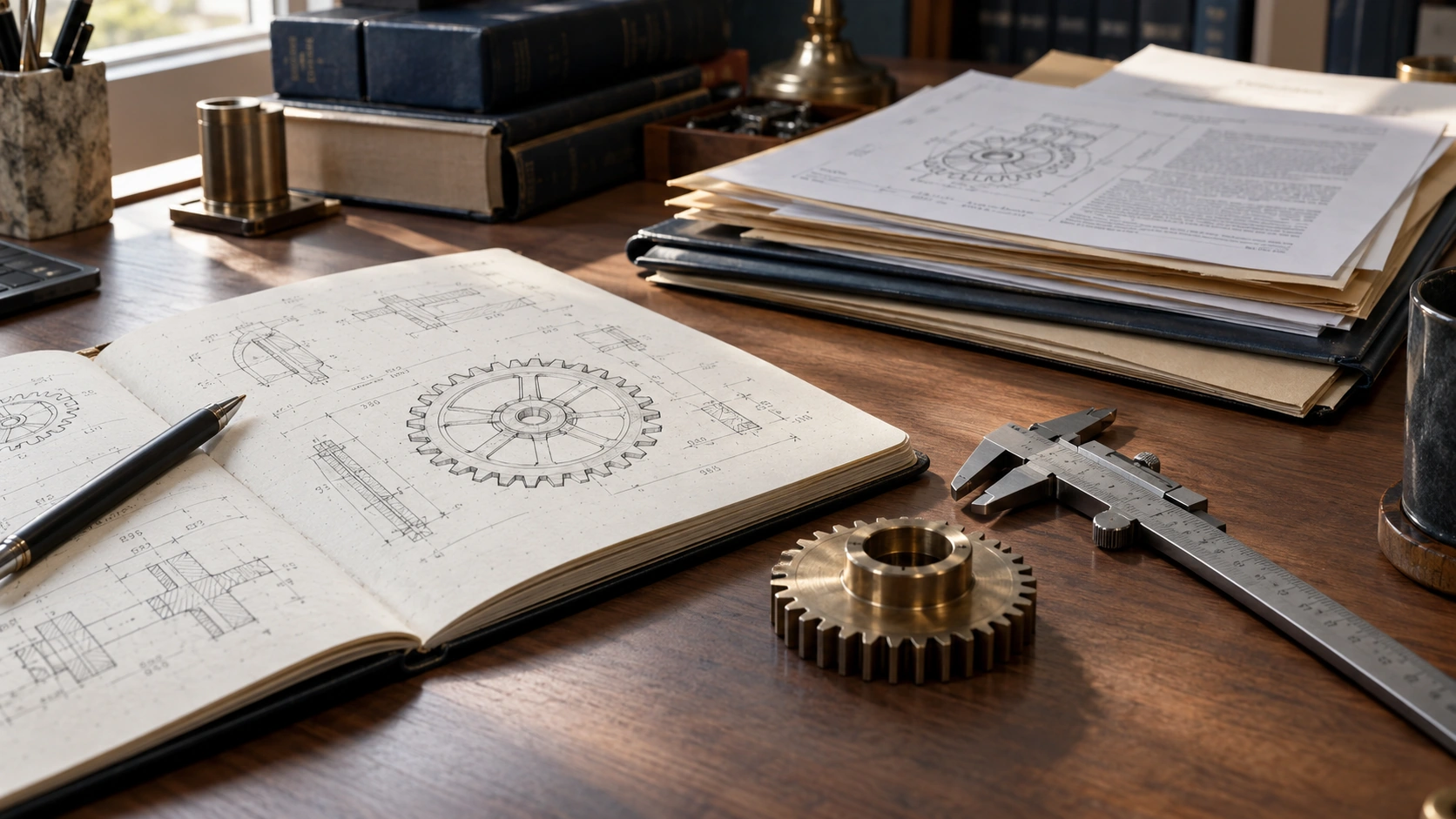
AI-generated illustration
INT
Search trademarks and related signs across participating international and national collections.
Coverage varies; also check national registers and each mark’s status.
AI-generated illustration
INT
Search patent publications and trace technical developments across countries.
A publication does not prove an enforceable patent: check family, territory and status.
AI-generated illustration
EU
Compare trademark applications and registrations from participating offices, including across the EU.
A result alone establishes neither conflict nor availability; territory, classes and prior rights matter.
AI-generated illustration
EU
Check procedural stages, grant, opposition and legal information for a published European application.
After grant, distinguish unitary effect from national parts. The EPO tracks unitary effect; national registers document the relevant national parts.
AI-generated illustration
INT
Search published PCT international applications and documents from participating national or regional offices.
A PCT publication is not a worldwide patent; check national phases, grants and territories.
AI-generated illustration
EU
Access the registered-design search signposted by the EUIPO.
A visual search does not establish complete rights coverage or freedom to operate; check status and territory.
No. It depends on coverage and query. Compare variants, classes and territories; rights and exploitation decisions require an appropriate analysis.
Entirely fictional example: the data train reasoning and do not describe a real situation.
The same name appears in a trademark and a patent. Owners, classes and territories differ.
Solve the worked caseTwo publications belong to one family. One territorial branch has a status; the other has not been checked.
Solve the worked caseTopic pages to select a service and understand what its result can establish.

AI-generated illustration
Choose an identity register, notice, VAT validation or authorisation register for the fact to establish.
16 results

AI-generated illustration
Retrieve the text, version and procedure while separating decisions, announcements and commentary.
6 results

AI-generated illustration
Choose a producer, catalogue or series by unit, coverage and research question.
23 results
AI-generated illustration
Document an older page or infrastructure while retaining observation dates and limits.
5 results
AI-generated illustration
Choose a map, collaborative object or satellite product by scale and observation date.
6 results
AI-generated illustration
Locate a publication and then verify territory, procedure and title status in the relevant registry.
6 results

AI-generated illustration
Separate work, author, organisation, repository, journal and trial to cite the right object and version.
14 results
DEEPER READING / PRACTICE
A category includes close services, but their content can answer different questions. The useful combination covers the dimensions that the first source leaves open.
Updated on .
Compare territory, period, identifiers and document types. Look for a source that adds context or chronology, rather than another repetition of the same result.
Two sources of the same category may have a common origin. Their complementarity must be demonstrated by the information they provide.
The source map combines question, service, obtained information and remaining gap. It makes visible the role of each consultation in the reasoning.