
Inventory and assign
Give each URL a topic, audience, owner, review date and related pages. Identify duplicates and language variants.
GUIDE / PROTOCOL
Editorial quality includes the ability to correct, merge and retire content that no longer helps readers.
Direct answer
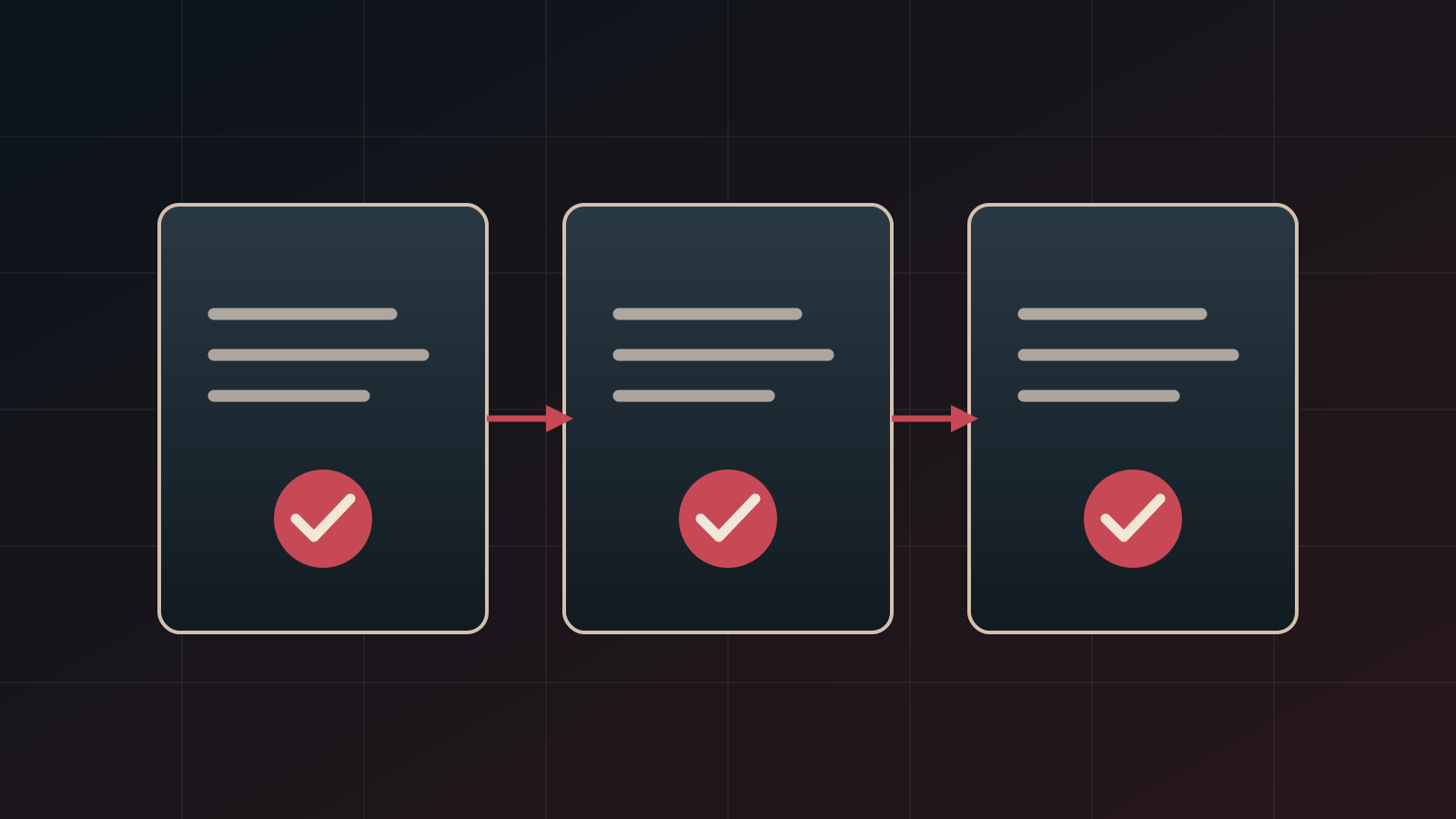
Assign every page an owner, purpose and sources. Trigger reviews according to topic volatility and observed changes, then choose an update, merge, redirect or documented retirement.
01 / Review method
Give each URL a topic, audience, owner, review date and related pages. Identify duplicates and language variants.
Separate volatile facts, stable methods and opinion. Check high-impact pages, broken links, old dates and unsourced claims first.
Correct facts and provenance, expand when a question is missing, merge duplicates and redirect retired URLs when that helps readers.
After release, verify internal links, translations, structured data, sitemap and direct answers. Record what changed.
02 / Evidence to keep
URL, intent, owner, status, language, review date and next trigger.
Claim, primary source, verification date and uncertainty.
Update, merge, keep or retire, with reason and link impact.
Published version, links, languages, markup and remaining issues.
03 / FAQ
According to volatility and impact. A provider or rule change calls for prompt review; a stable method may need less frequent checks.
When they answer the same intent and repeat one another without a distinct angle or data.
Not if it retains clear historical value. State its date, context and what is no longer current.
Propagate or clearly flag a significant update; a silently outdated version misleads readers.
04 / Official references